Each Thursday we take you through one of the 20 imperatives of the Living Building Challenge, with Pā Reo as a case study. The fourth imperative of the Place Petal is I04 Human-Scaled Living. The intent of I04 Human-Scaled Living is to contribute toward the creation of walkable, pedestrian-oriented communities that reduce the use of fossil fuel vehicles.
All projects must:
• Maintain or increase the density of the site and support a human-powered lifestyle.
• Be built to a human scale that is appropriate for the neighbourhood.
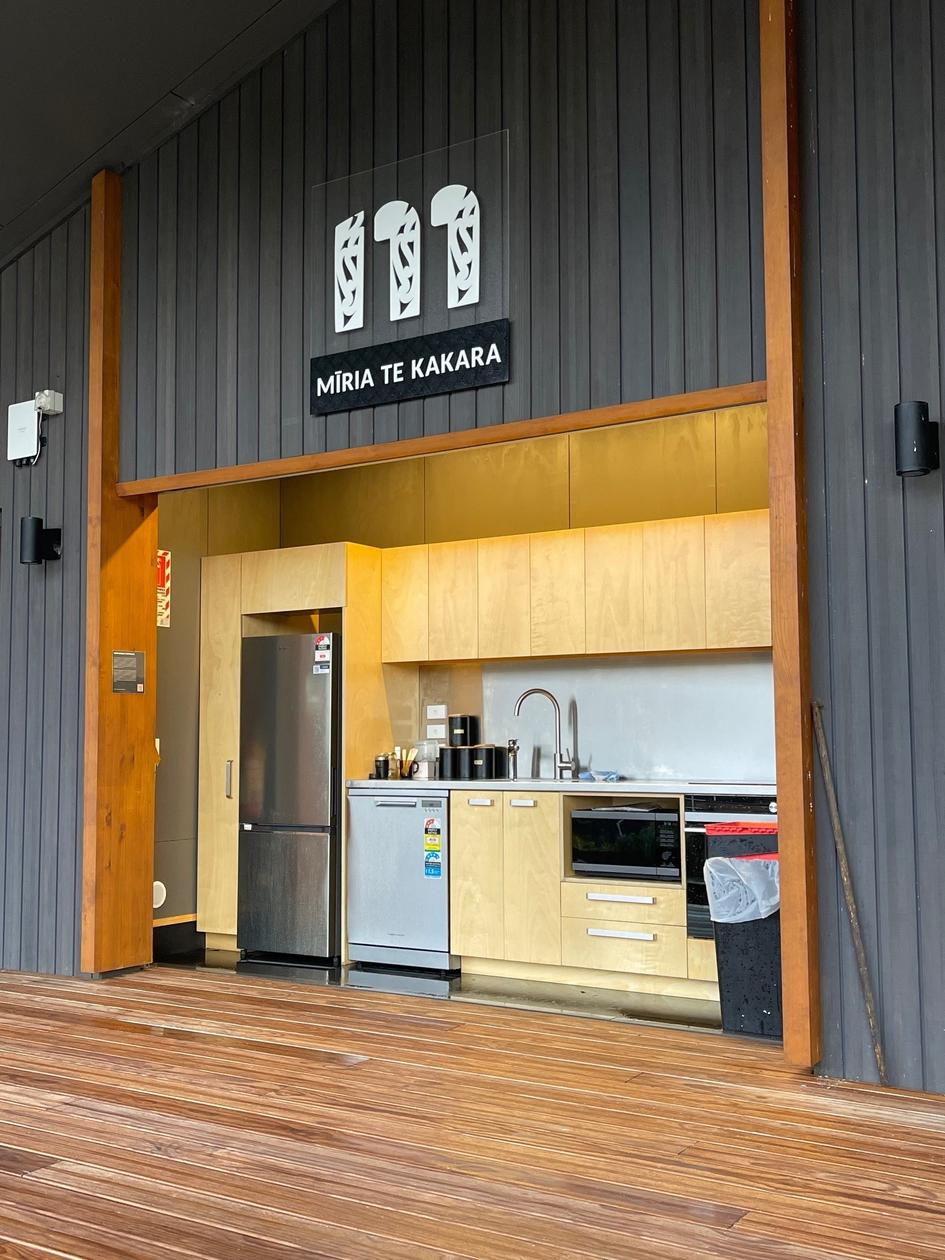
• Provide places for occupants to gather and connect with the community.
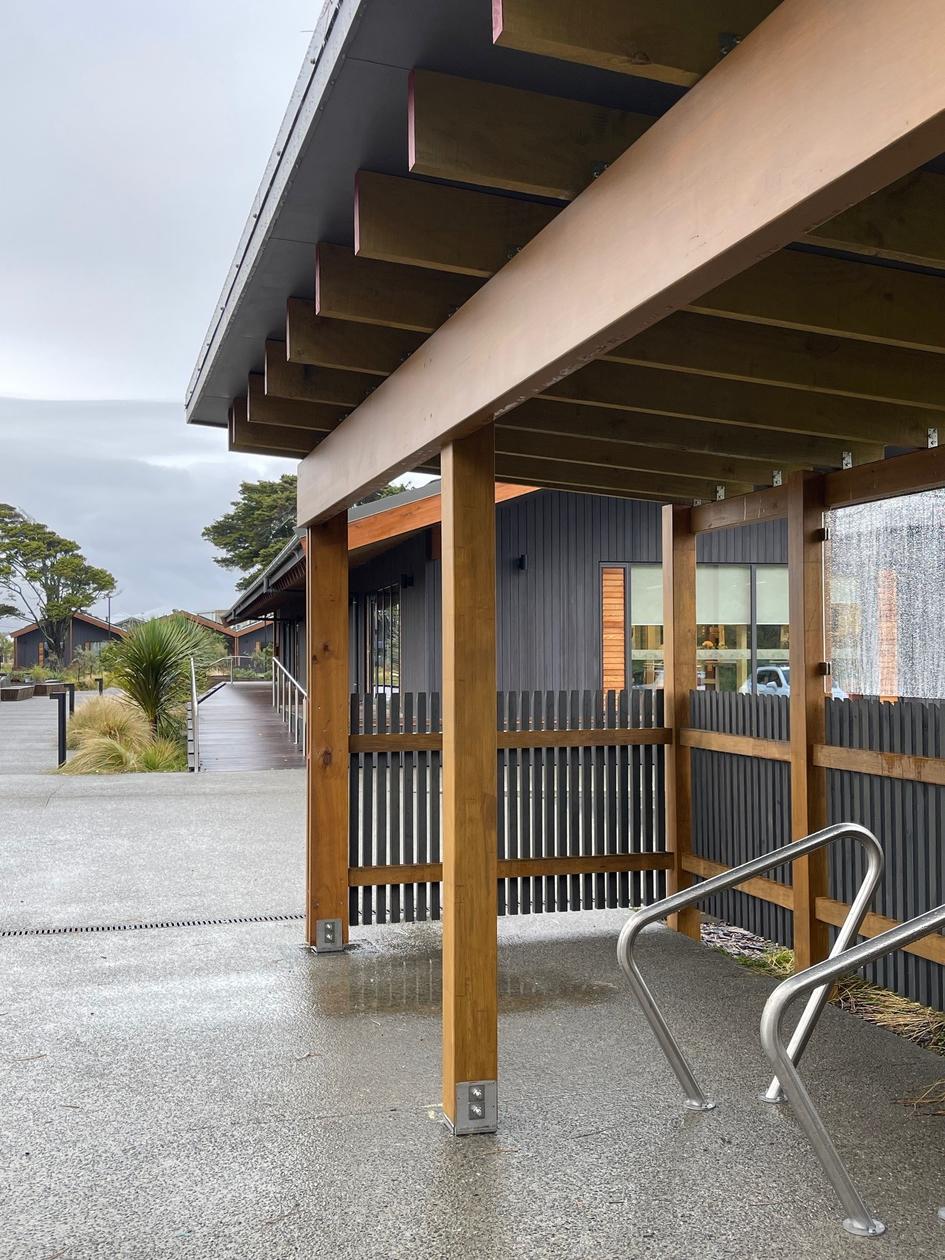
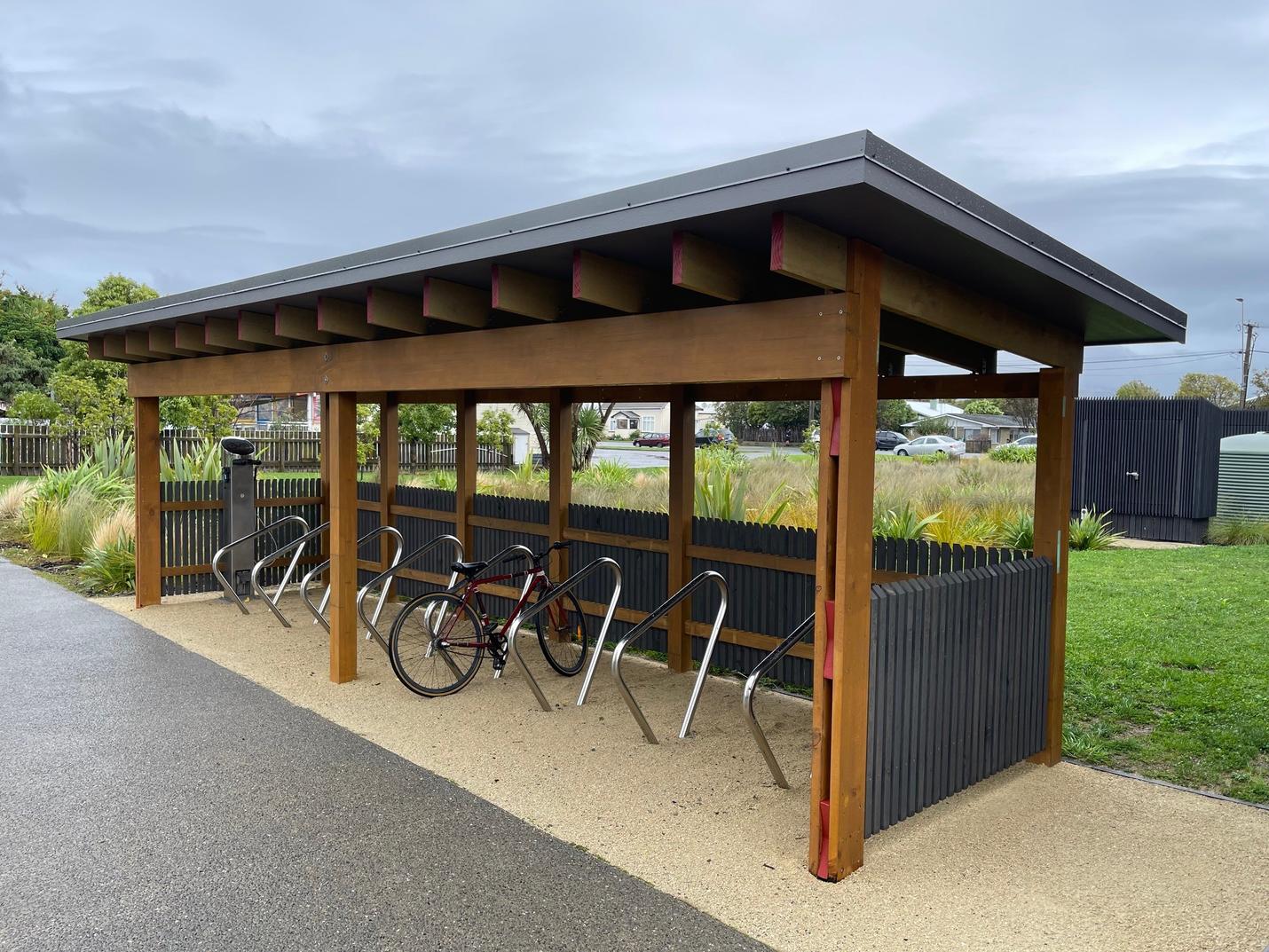
• Provide sufficient secure, weather-protected storage for human-powered vehicles and facilities.
• Provide at least two electric vehicle (EV) charging stations.
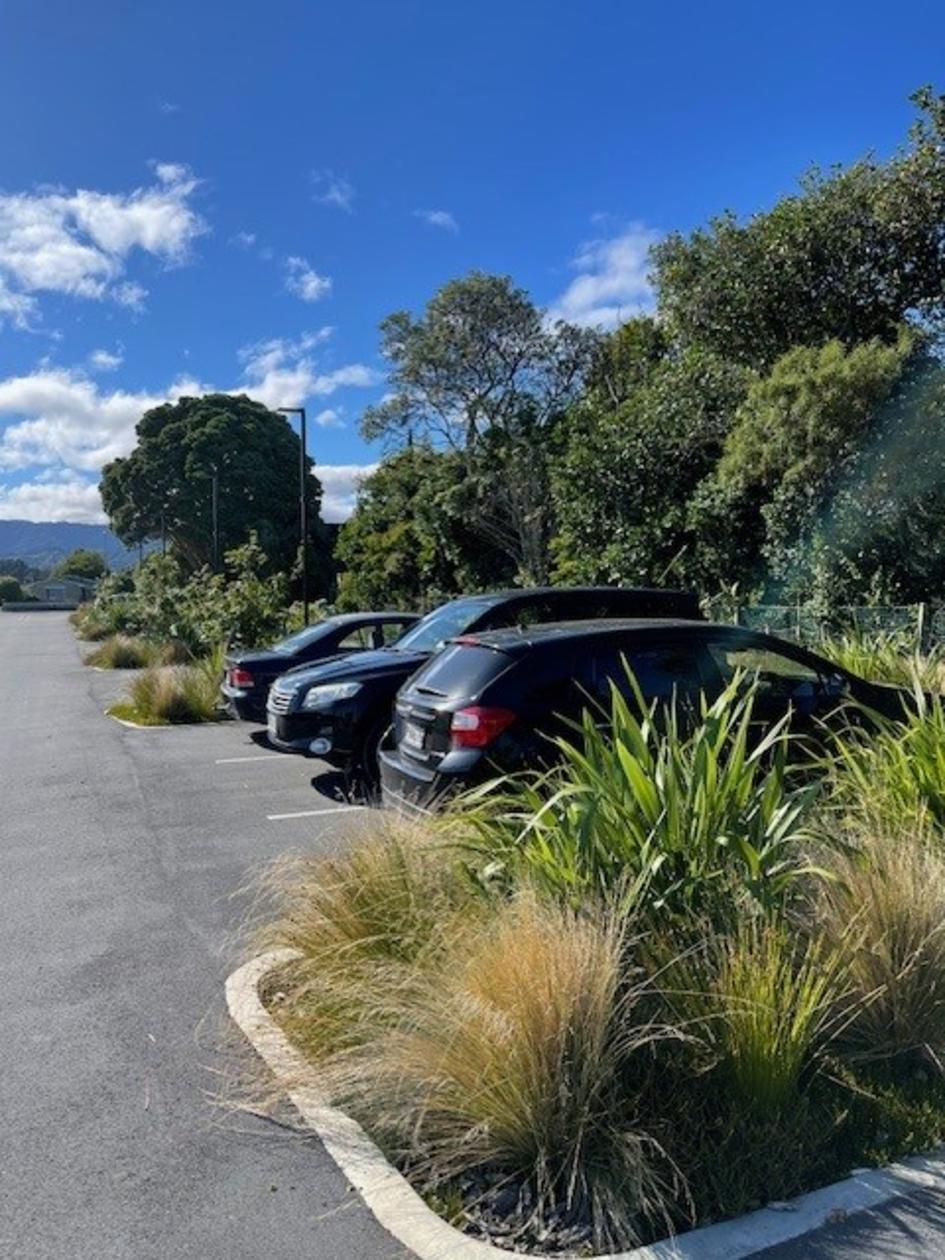
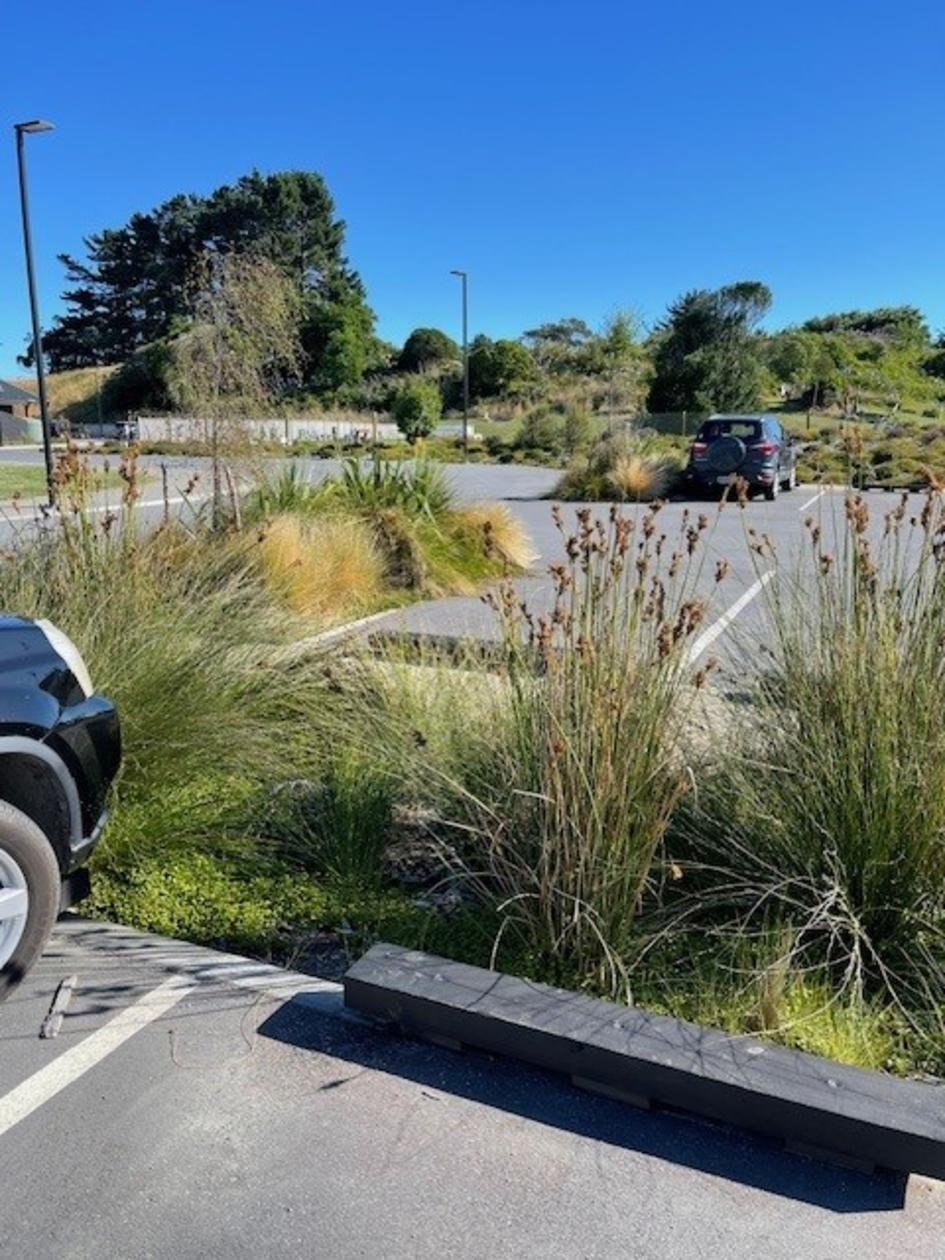
• Minimise impervious surface parking and ensure it is separated with planted areas.
We chose to implement the following best practices:
• Consideration and enhancement of pedestrian routes, including weather protection on street frontages.
• Advocacy in the community to facilitate the uptake of human-powered and public transportation.
• Carpool coordination assistance.
• Regular survey of occupants to determine current fossil fuel-based single-occupancy vehicle (SOV) trips.
"Restore human legs as a means of travel. Pedestrians rely on food for fuel and need no special parking facilities”. - Lewis Mumford, American Historian and Sociologist
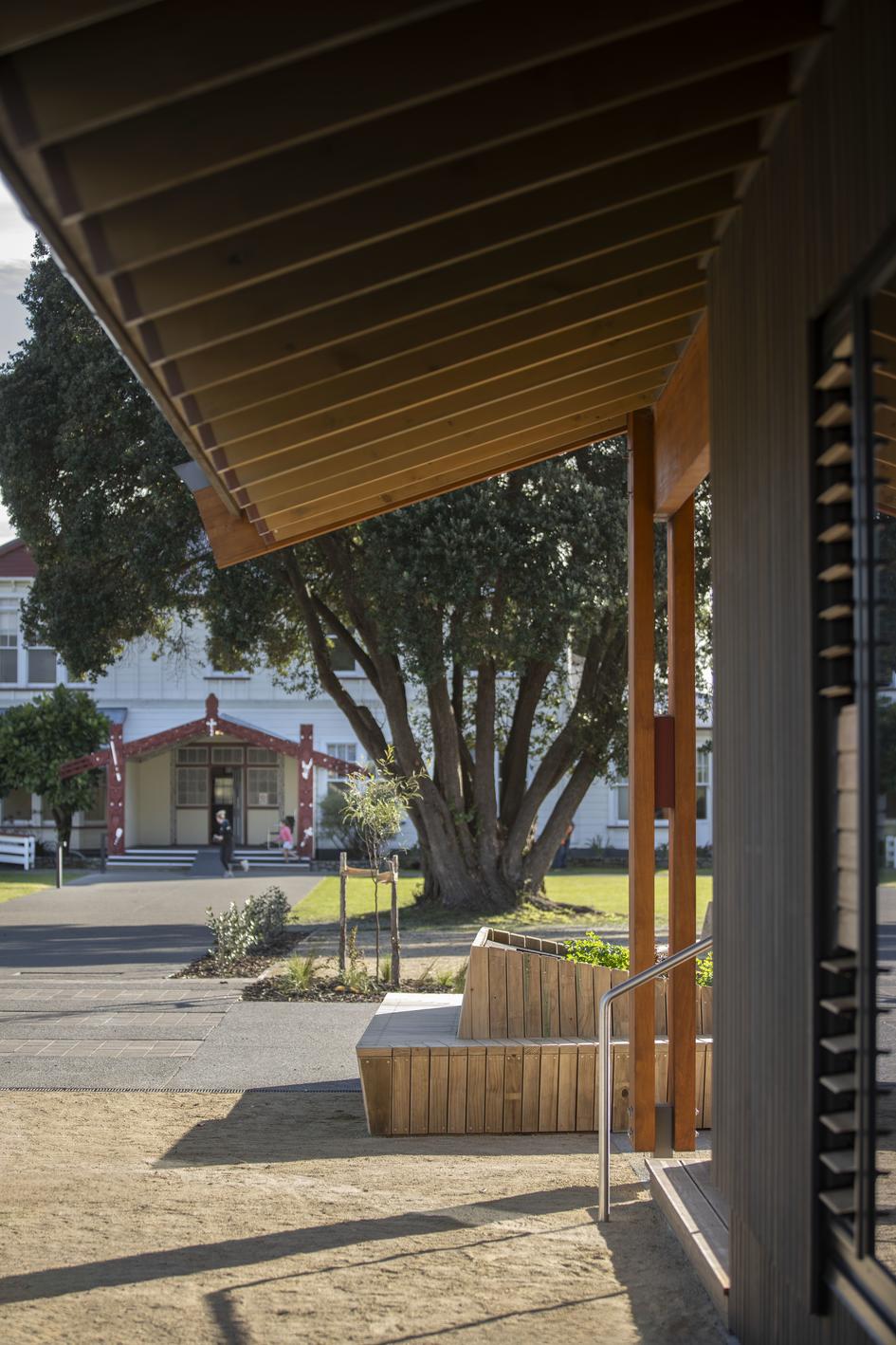
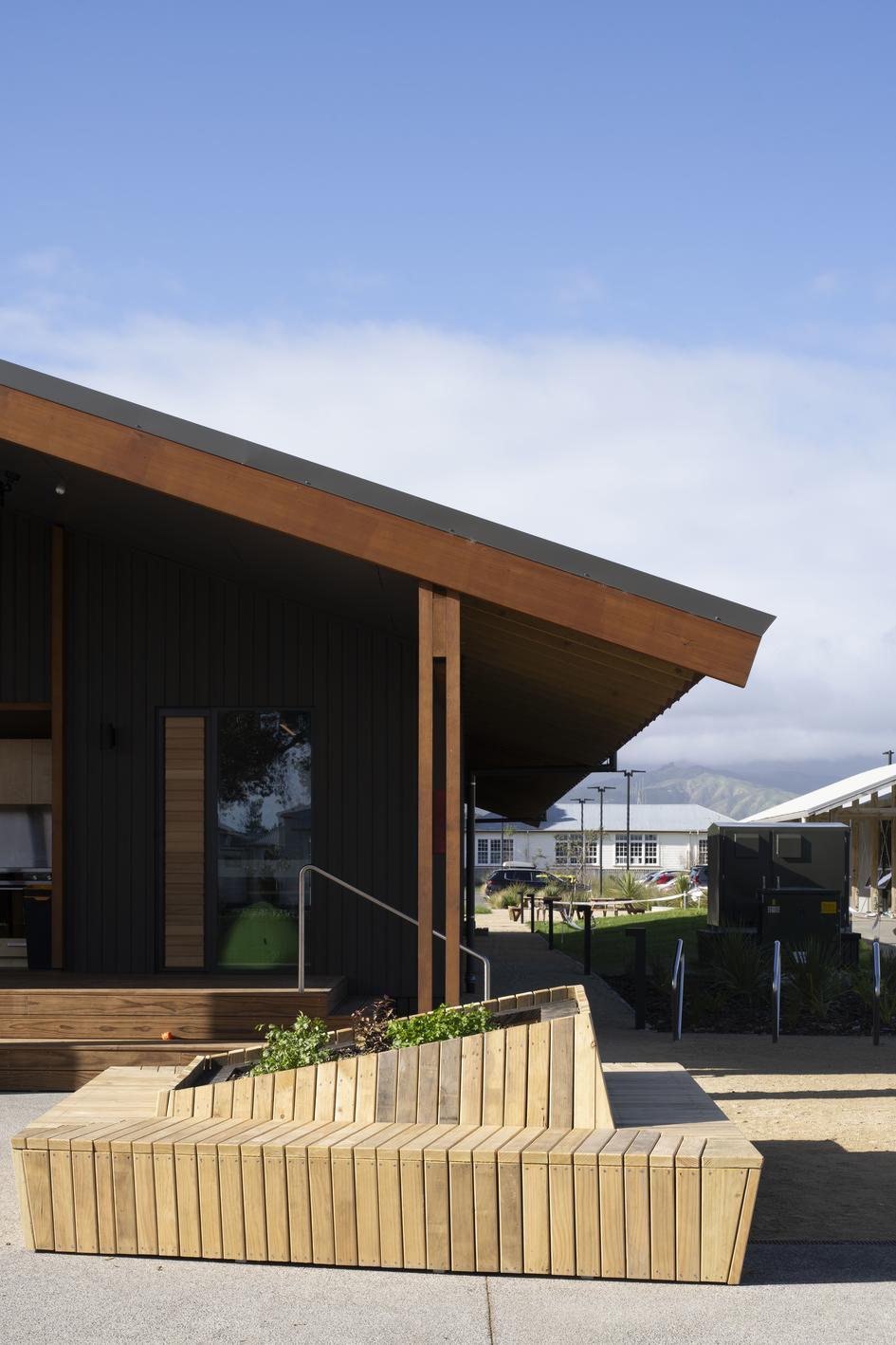
Project teams are encouraged to creatively find ways of fostering community interaction through placemaking, such as by the creation of pocket parks, plazas, or seating areas accessible to the public.
Human scale is about the experience of a space as a pedestrian, rather than as a motorist. A built environment at human scale is “legible” when one is up close, and detail and texture can be perceived by sight or touch. Characteristics of human-scaled environments include, but are not limited to:
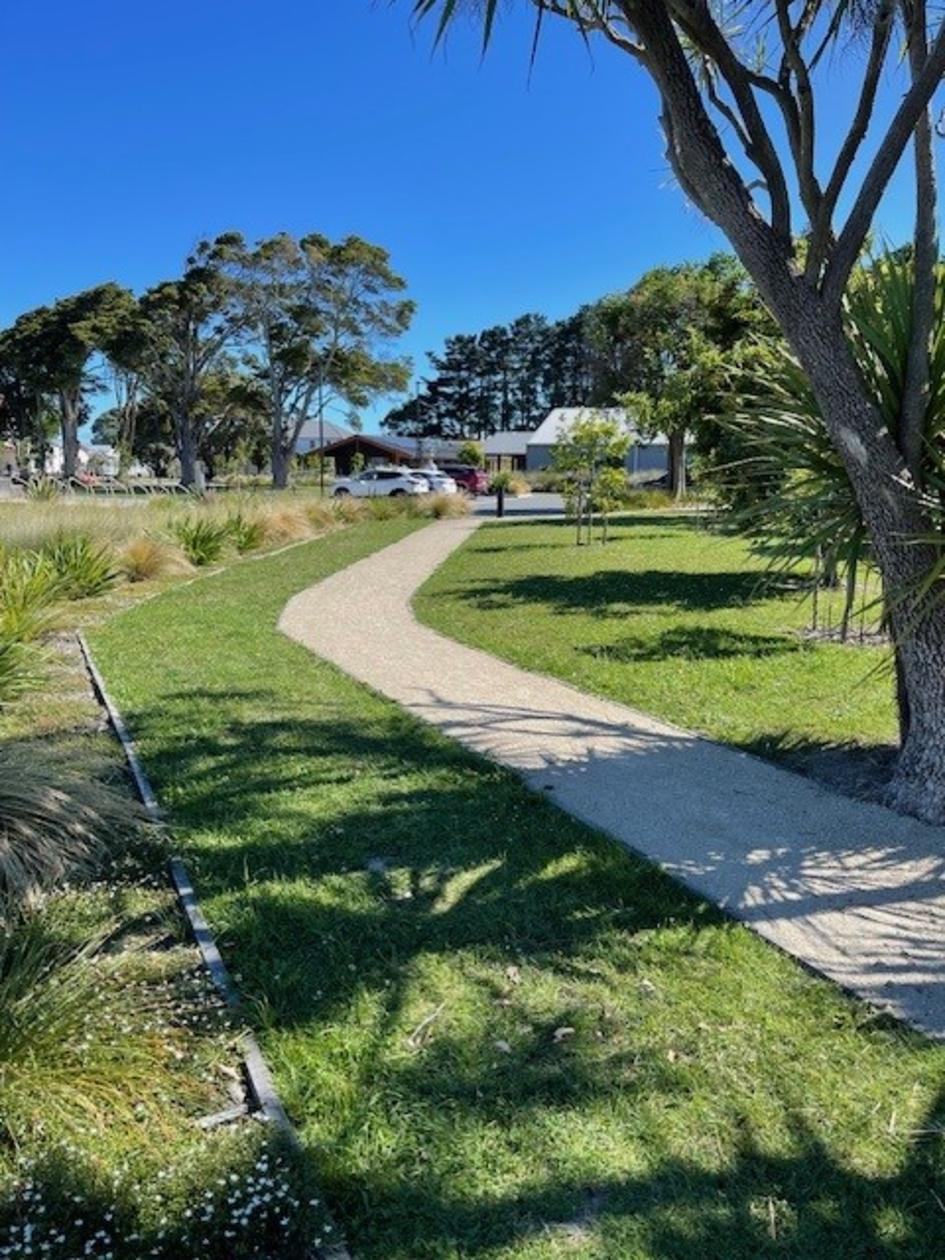
• Walking routes that are sufficiently narrow or articulated to provide a feeling of comfort and safety.
• Façades that have articulation such as pass-throughs, recessed entryways, ground-level windows.
• Façade articulation that relates to human size and proportions.
• Some degree of protection from weather.
“The building with a lively edge is connected, part of the social fabric, part of the town, part of the lives of people who live and move around it… If the edge fails, then the space never becomes lively.” - Christopher Alexander, A Pattern Language: Towns, Buildings, Construction
Despite the semi-rural context and challenges posed by limited public transport and cycling infrastructure, the community spirit at Te Wānanga o Raukawa enables carpooling among staff and students, reducing single-occupancy vehicle trips. 38 bike parks and a pedestrian focus are beginning to change users ways of accessing the project. The presence of plug-in hybrid and electric vehicles on-site signals a potential shift towards sustainable transportation options. Future plans for on-campus accommodation aim to further reduce travel requirements for students and staff.
The integration of Mātauranga Māori into the architectural design processes has been crucial for promoting sustainability and honouring cultural heritage. The Place Petal of the Living Building framework underscores the significance of ecological integration, indigenous knowledge preservation, and community engagement in creating inclusive and environmentally conscious spaces. By embracing Māori design principles, respecting cultural values, and fostering community connectivity, Te Wānanga o Raukawa exemplifies a holistic approach to sustainable architecture that values both the past and future. See Pā Reo on the Our Living Future Projects Map.
"If you plan cities for cars and traffic, you get cars and traffic. If you plan cities for people and places, you get people and places.” - Fred Kent, Founder, Project for Public Spaces