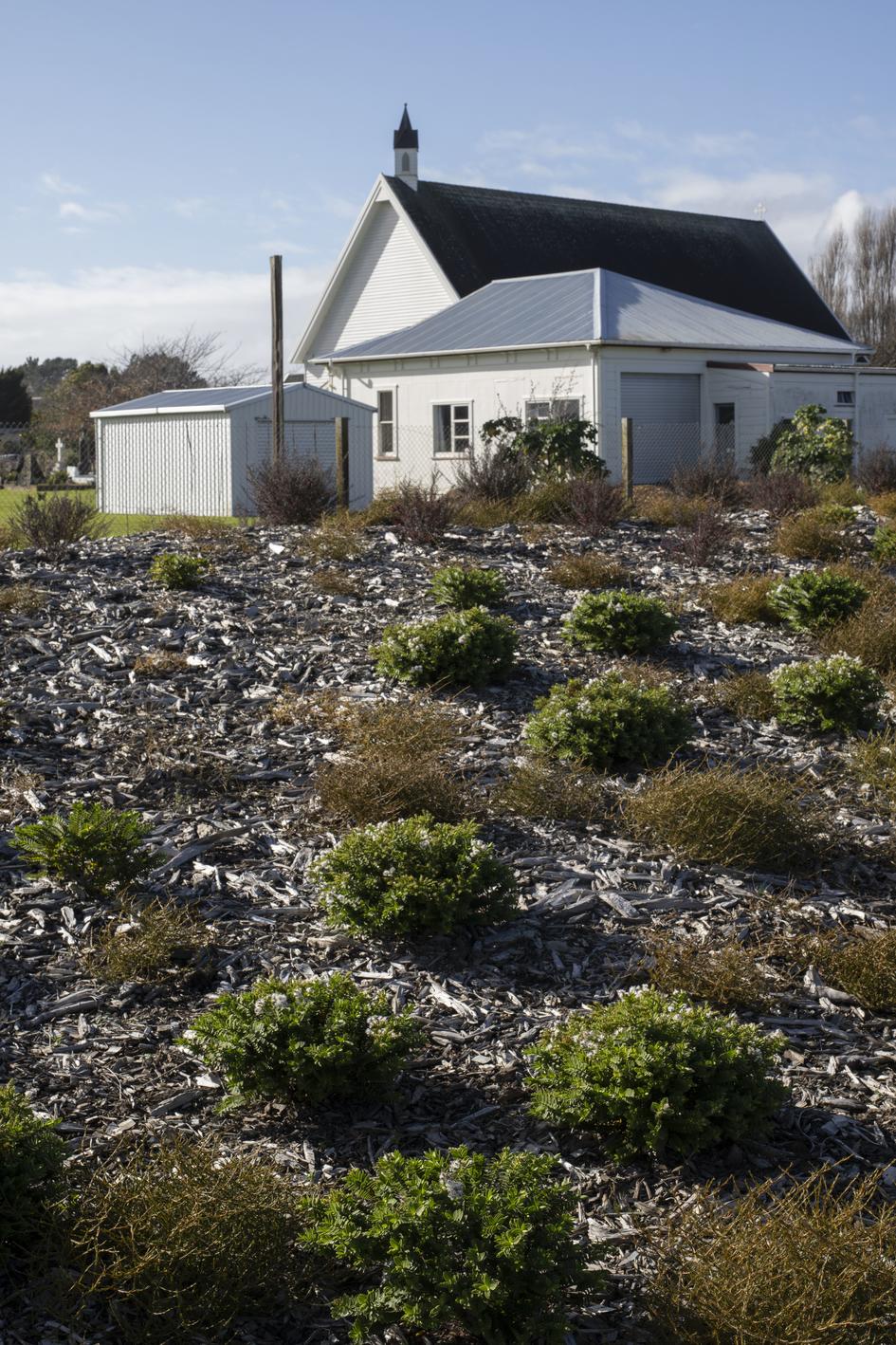
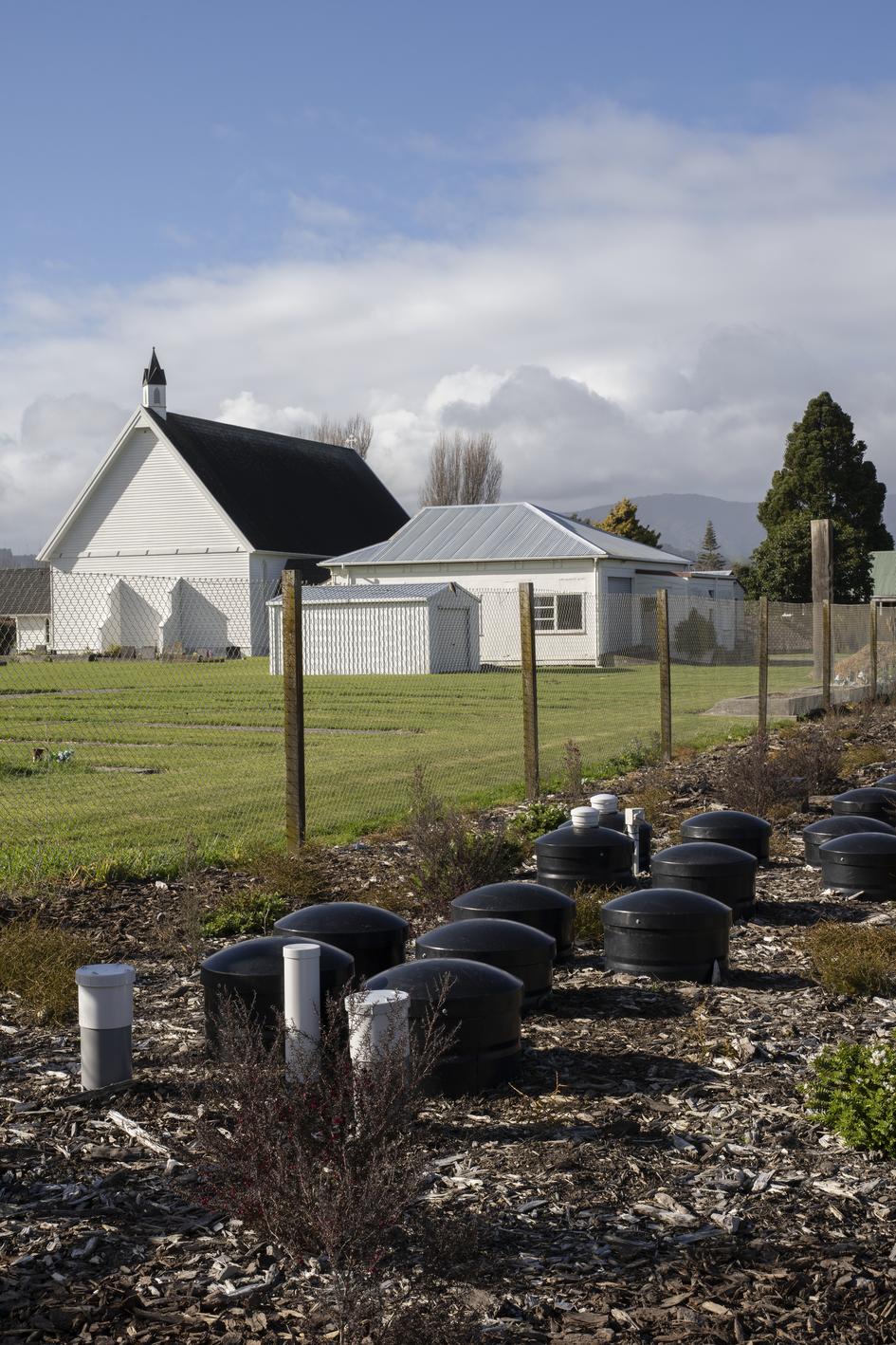
The intent of the imperative, I06 Net Positive Water, is for project water use and release to work in harmony with the natural water flows of the site and its surroundings.
All projects must supply one hundred percent of the project’s water needs through captured precipitation or other natural closed-loop water systems, and/or through recycling used project water, and all water must be purified as needed without the use of chemicals. No potable water may be used for non-potable uses.
All projects must address all grey and black water through on-site treatment and management through reuse, a closed loop system, or infiltration. Projects that are not able to treat and manage on site may use handprinting within their watershed and community.
"Closed loop" means all water used by the project comes from, and is returned to, the project site. For example, if the water supply is rainwater, there must be sufficient opportunities for evapotranspiration and infiltration to support the natural ecosystem.
Pā Reo meets the Net Positive Water imperative, all water is collected on site for use and all waste water is managed on site. Municipal connections are not used.
The Water Petal of the Living Building Challenge highlights the importance of responsible water management for the long-term sustainability of projects.
Rainwater harvesting is a key focus, enabling the capture and storage of rainwater to reduce reliance on municipal water supplies and alleviate strain on local water sources. This harvested rainwater can be used for non-potable purposes like irrigation, toilet flushing, and cleaning, conserving freshwater resources.
Additionally, emphasising water regeneration through on-site wastewater treatment systems and water-sensitive landscaping features like permeable surfaces to reduce stormwater runoff and enhance groundwater recharge.
Integration of rainwater harvesting, efficient fixtures, on-site wastewater treatment, and water-sensitive landscaping can lead to buildings that promote sustainable water use, protect local water resources, and contribute to a more sustainable water future.
This year, Pā Reo became the 38th LBC project from around the world to become 7 Petal Living Certified. See Our Living Future Projects Map for a map of certified buildings.
“We need a new water ethic that puts water at the centre of all policy and everything we do. We must always ask the question: what is the impact of this policy or practice on water? If it is negative, we must drop it or amend it accordingly. Water is not a resource for our convenience and profit but the essential element in a living ecosystem upon which we all depend.”
Maude Barlow, Chairperson, Council of Canadians