The intent of this Imperative is to help create stable, safe, and high-paying job opportunities for people in the local community, and support local, diverse businesses through hiring, purchasing, and workforce development practices.
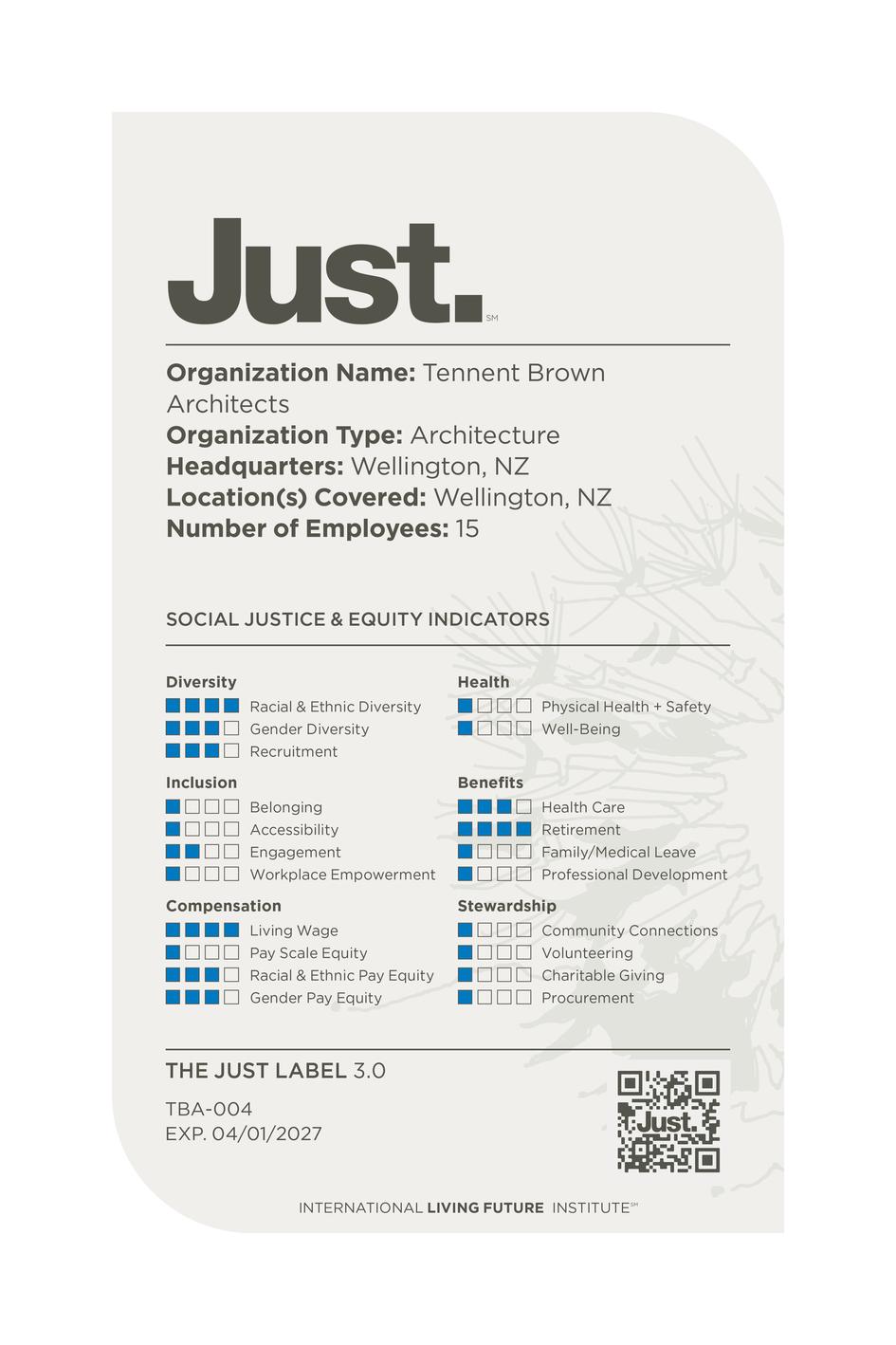
All projects must have a JUST Label for at least two project team organisations with an integral role in decisions during both design and construction phases, and an additional five organisations involved in the project must complete a JUST Self-Assessment.
In addition, all projects must either...
Include diverse stakeholders from vulnerable or disadvantaged populations in the design, construction, operations and maintenance phases at the following levels:
• 20% of design contract and/or construction contracts, and 10% of maintenance contracts must be with JUST organisations that meet required levels for Diversity category, or are registered Minority, Women, or Disadvantaged Business Enterprises (MWDBE) organisations, or international equivalent.
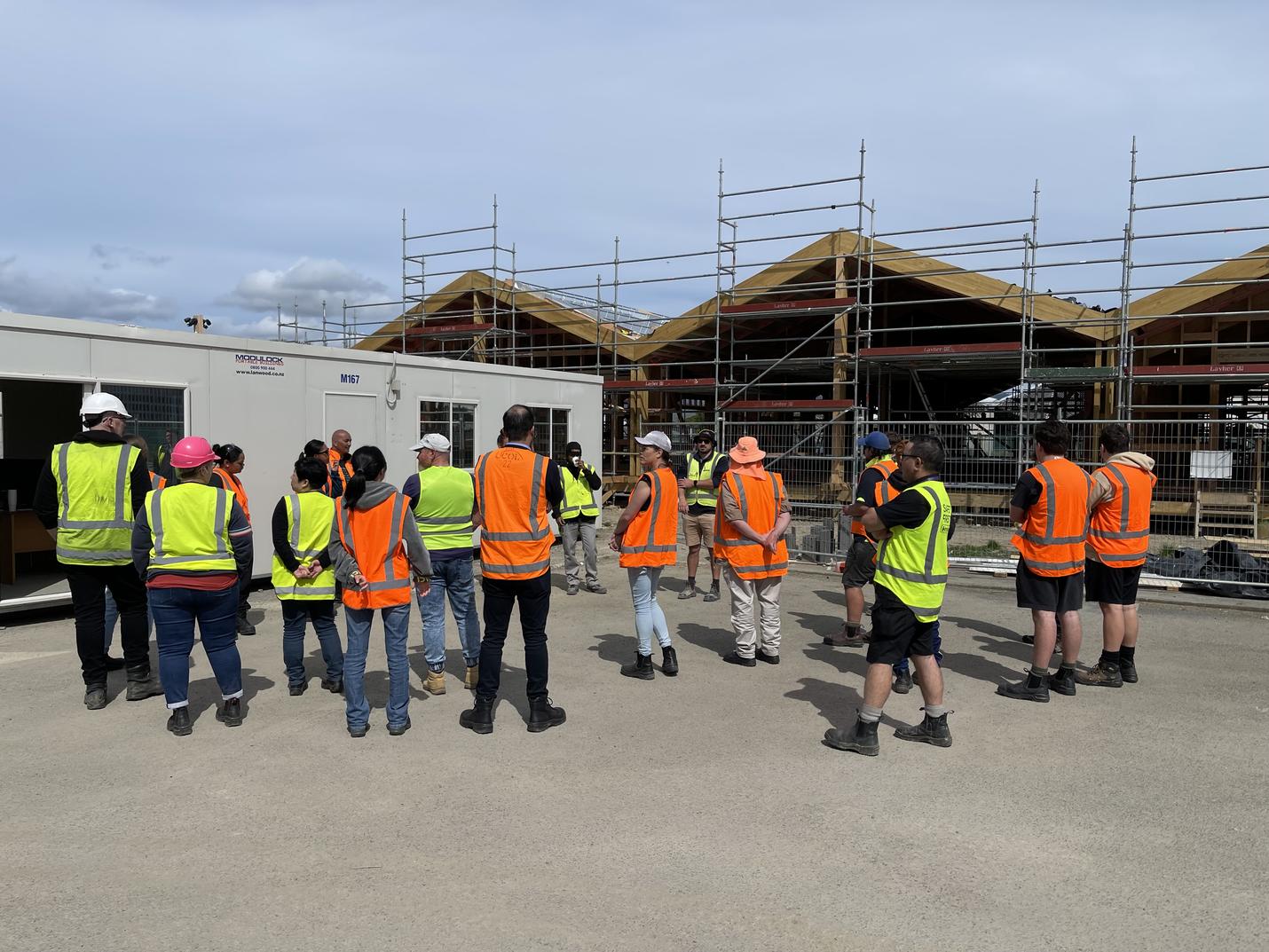
• Workforce development/training/community benefits agreements, registered apprentice programs, and similar programs are employed for 10% of the General Contractor’s project contracts and/or maintenance contracts.
Or
• Donate 0.1% of total project cost to a regional, community-based nonprofit organisation focused on equity and inclusion.
“Whether it’s as policymakers, advocates, architects, project managers, contractors, or even in the construction workforce, the most impacted communities are underrepresented in the design, construction, and occupancy of sustainable, regenerative, healthy buildings. In actualising our commitment to ground our operations in the principles and practices of our environmental and climate justice platform, the NAACP will establish its headquarters as an exemplar for an Equitable Living Building Challenge Project. Through this effort, we will develop a replicable model of ensuring the centering of equity in all aspects of sustainable, healthy, safe, and regenerative buildings, including access, affordability, co-benefits, cultural resonance, inclusive decision-making, financing, service provision, procurement, contracting, employment, communications, monitoring and evaluation, and so much more.” – NAACP Centering Equity in the Sustainable Building Sector Initiative
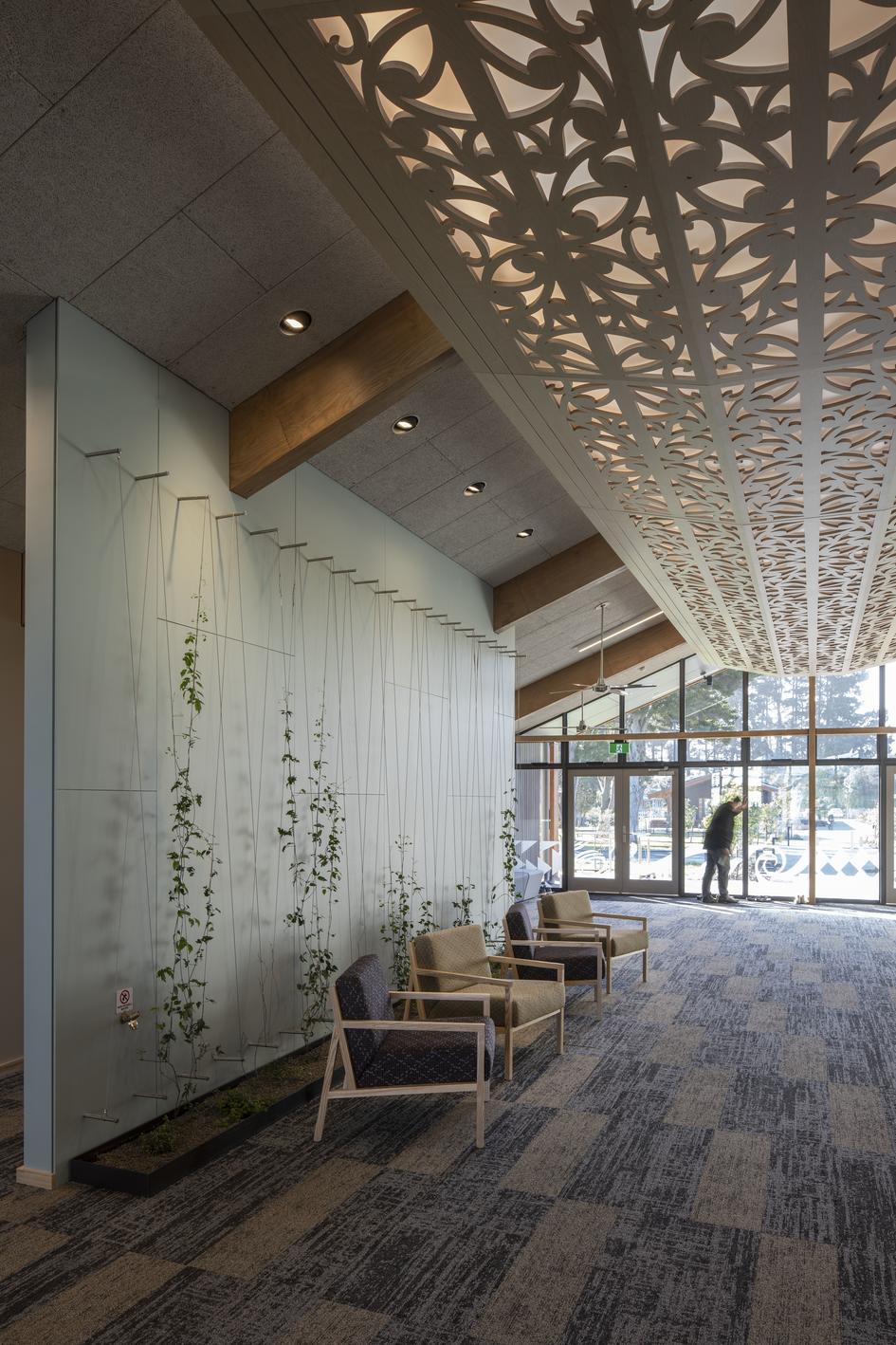
Pā Reo exemplifies a commitment to inclusion by fostering collaborative relationships and supporting community initiatives. Tennent Brown Architects, as the first architectural practice in New Zealand to hold both a JUST Label and B Corp Certification, sets a high standard for social responsibility. Similarly, the broader consultant and contractor team have pursued JUST Self-Assessments, aligning with the ethos of inclusivity. Dunning Thornton Consultants gained a JUST Label.
Local Māori artists, such as Chris Geretzen and Arumaki Pasene from Te Wānanga o Raukawa, played integral roles in the project, contributing to the cultural richness of the design. Geretzen's artwork depicting the Iringa Kōrero - Māhutonga (Southern Cross Constellation) and Pasene's manifestation designs, including the 10 Guiding Kaupapa, showcase a deep connection to indigenous artistry and storytelling.
Furthermore, Te Wānanga o Raukawa's commitment to community welfare is evident through their support of various initiatives, including scholarships facilitated by the Te Wānanga o Raukawa Foundation and Māori Education Trust, as well as contributions to the Koha Tree program. The project also emphasises the importance of local engagement by sourcing from local contractors and fostering relationships with Māori and Pacifica contractors, fostering a culture of inclusivity and collaboration within the project and the broader community.